
Skip to content
    A small quadcopter hovering above misty mountain ridges, marked up with the task it has been given

    Onboard AI for drones and UGVs

    Adaptive autonomy.
    Across air and ground.

    We are building an onboard AI layer for drones and unmanned ground vehicles (UGVs). Our vision goes beyond waypoint navigation: robots that understand your intent, reason about what they see and adapt their next step, with an operator in control.

    Aerial and ground autonomy. One intelligence layer.

    Approach

    Beyond waypoints.
    Towards understanding.

    Some of the most important work happens in places that are remote, hazardous or costly to reach. We see a future where robots help people understand these environments and act safely within them.

    We are developing an intelligence layer built on small language models (SLMs) and vision-language models (VLMs) running on the vehicle's edge computer. It connects what you ask with what the robot sees, so it can judge whether it has enough evidence and decide what to look at next.

    How the intelligence works

    Understand the request. Reason from evidence. Adapt.

    1. 01

      Understand

      Turn a natural-language request into a defined task, grounded in what the robot's sensors can see.

    2. 02

      Reason

      Weigh the evidence, quantify uncertainty and choose the most useful next observation.

    3. 03

      Adapt

      Propose a new viewpoint or a bounded action. The flight controller keeps low-level control and the operator can override at any time.

    4. 04

      Verify

      Compare observations, confirm whether the task is complete and report what remains unresolved.

    Platforms

    Different platforms.
    One intelligence layer.

    The same onboard reasoning runs on aerial and ground vehicles: it links language, perception and bounded action, while existing autopilots and safety systems stay in charge of control.

    A quadcopter surveying a river and its bridges at dusk, with a bridge flagged for a second viewAIR

    Drones (UAS)

    We are bringing onboard language and vision models to uncrewed aircraft. Give a drone an objective, let it interpret what its camera sees and have it reposition for another view when the first does not answer the question. The flight plan becomes part of the task, not the definition of autonomy.
    Survey · Reason · Reposition
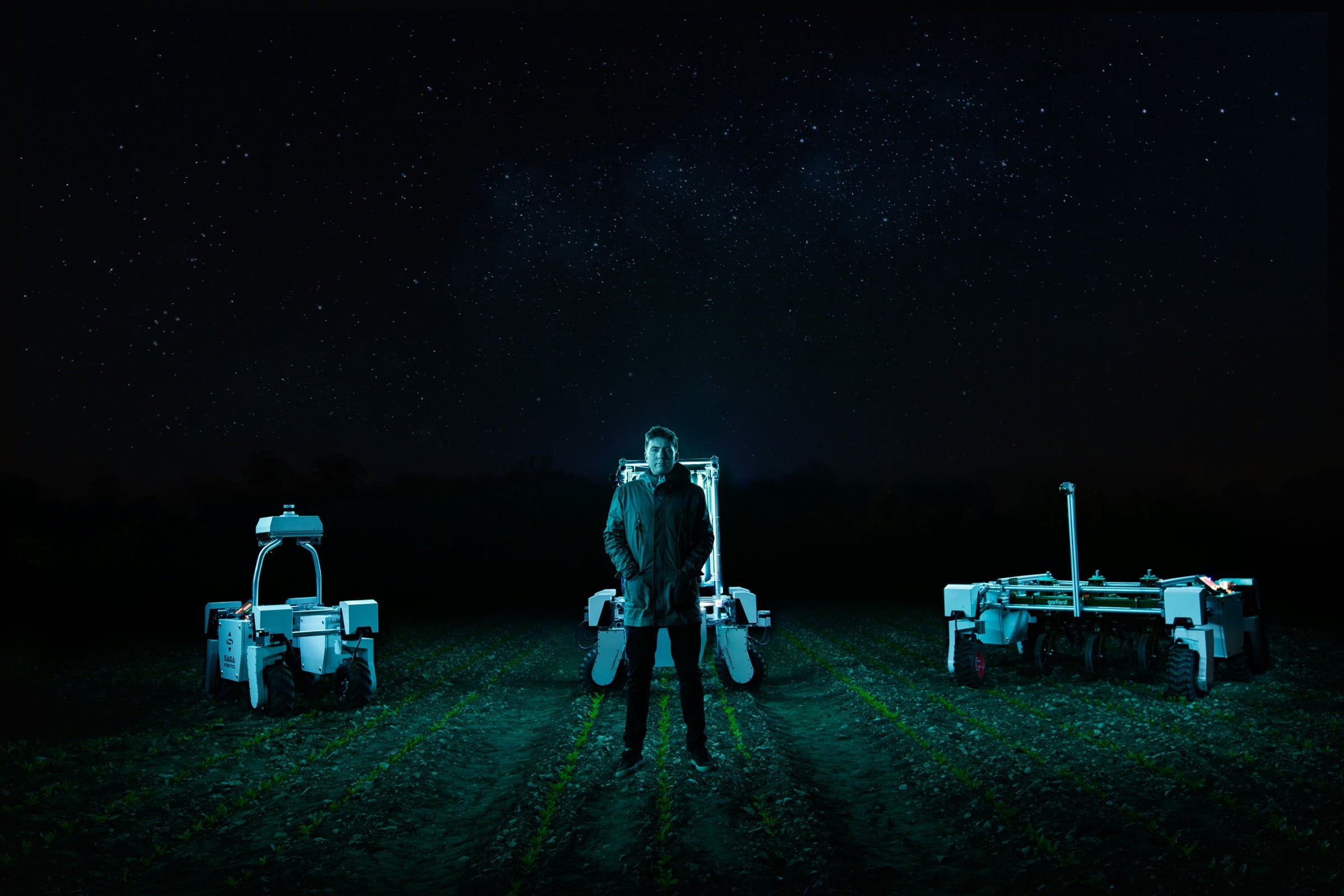
    Three unmanned ground vehicles in a field at night with their operator, marked with each vehicle's task statusGROUND

    Unmanned ground vehicles (UGVs)

    The same intelligence on a ground vehicle: interpret a request, inspect an asset at close range, compare viewpoints and propose the next useful action. Onboard reasoning turns close-up observations into a clear answer, and flags when more evidence or operator input is needed.

    Approach · Inspect · Report

    Use cases

    Different tasks.
    Intelligence that adapts.

    The question changes; the principle stays the same: understand the objective, gather the right evidence and work out what comes next. These are the applications shaping our roadmap.

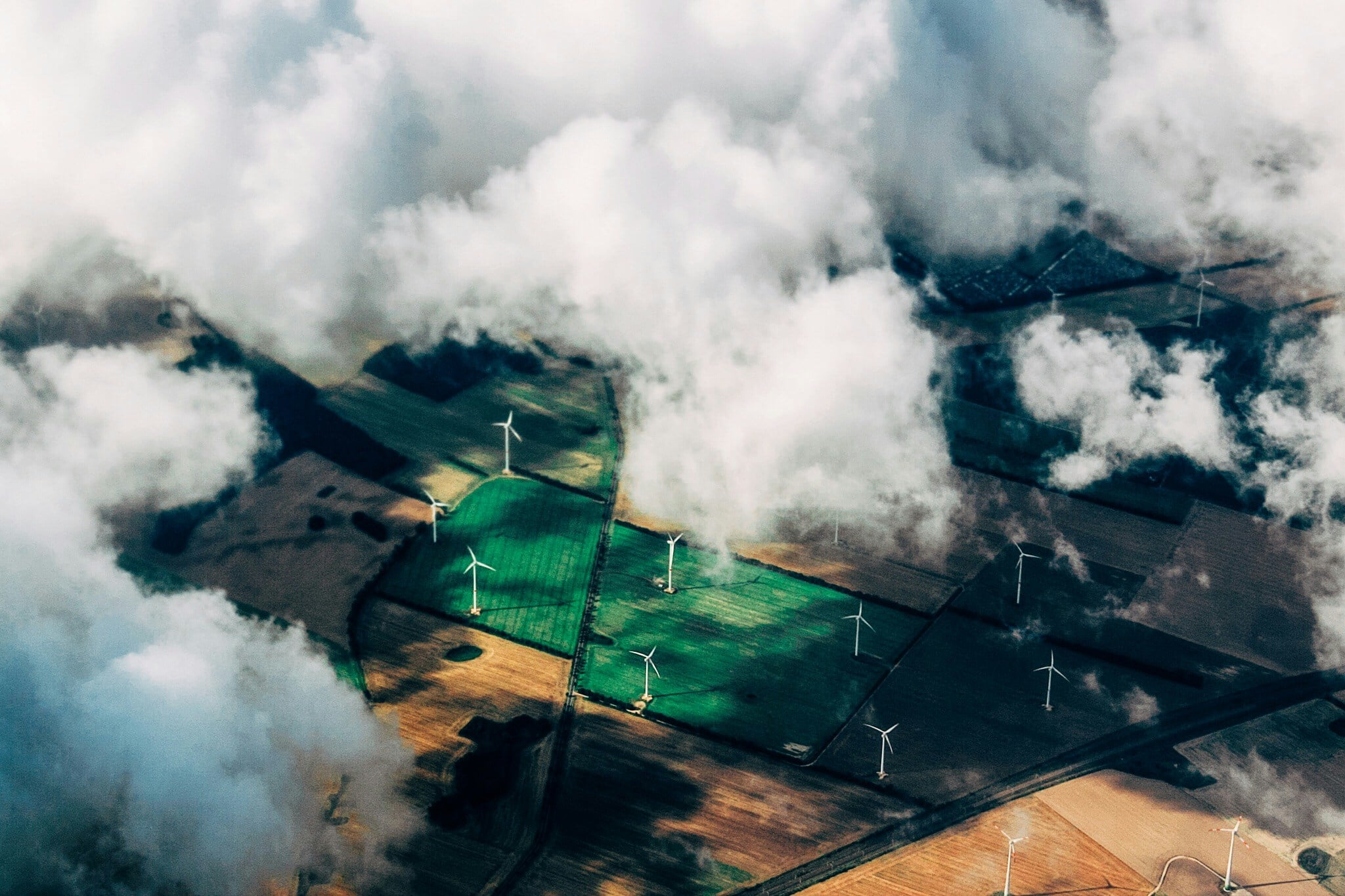
    Aerial view of a wind farm with one turbine flagged for possible blade damage and a closer pass requested01

    Infrastructure inspection

    “Take a closer look at that.”

    An unclear observation should trigger a better view. We envision drones that examine a finding, recognise missing detail and capture the evidence an inspector needs to sign it off.

    Discuss an inspection task
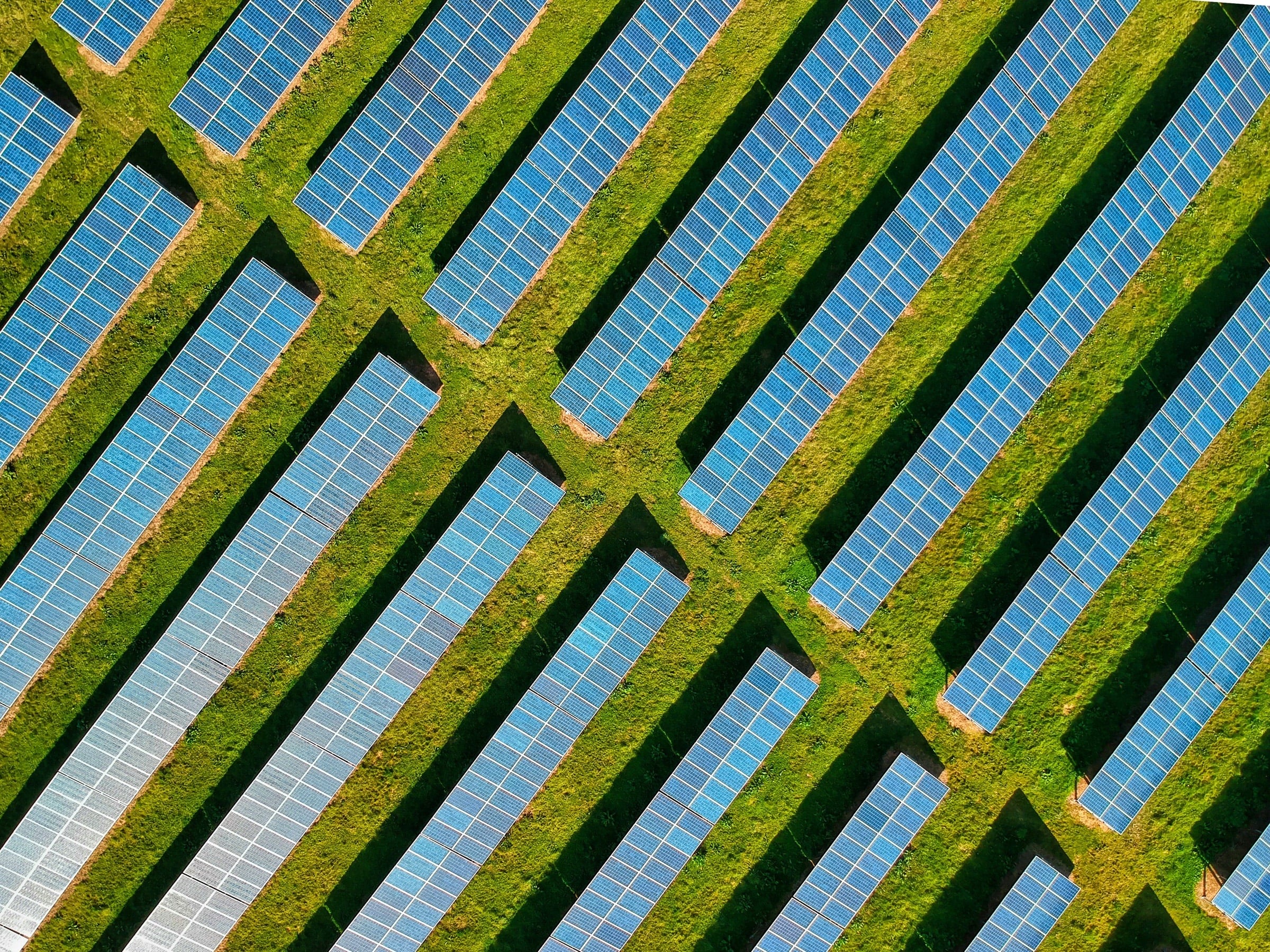
    Aerial view of solar panel rows with one row flagged for vegetation encroachment since the last survey02

    Remote asset monitoring

    “What has changed since the last survey?”

    Move from collecting footage to understanding it. Our aim is to compare surveys over time, investigate meaningful changes and deliver a concise report on what needs attention.

    Discuss a monitoring task
    Industrial pipework with a section of damaged coating flagged for a ground-level check before anyone enters03

    Hazardous-area inspection

    “Check it before we send someone in.”

    Combine aerial reach with close-range ground views to inspect confined spaces and hazardous areas. The goal is to resolve uncertainty remotely and flag where human judgement is still required.

    Discuss a hazardous-area task
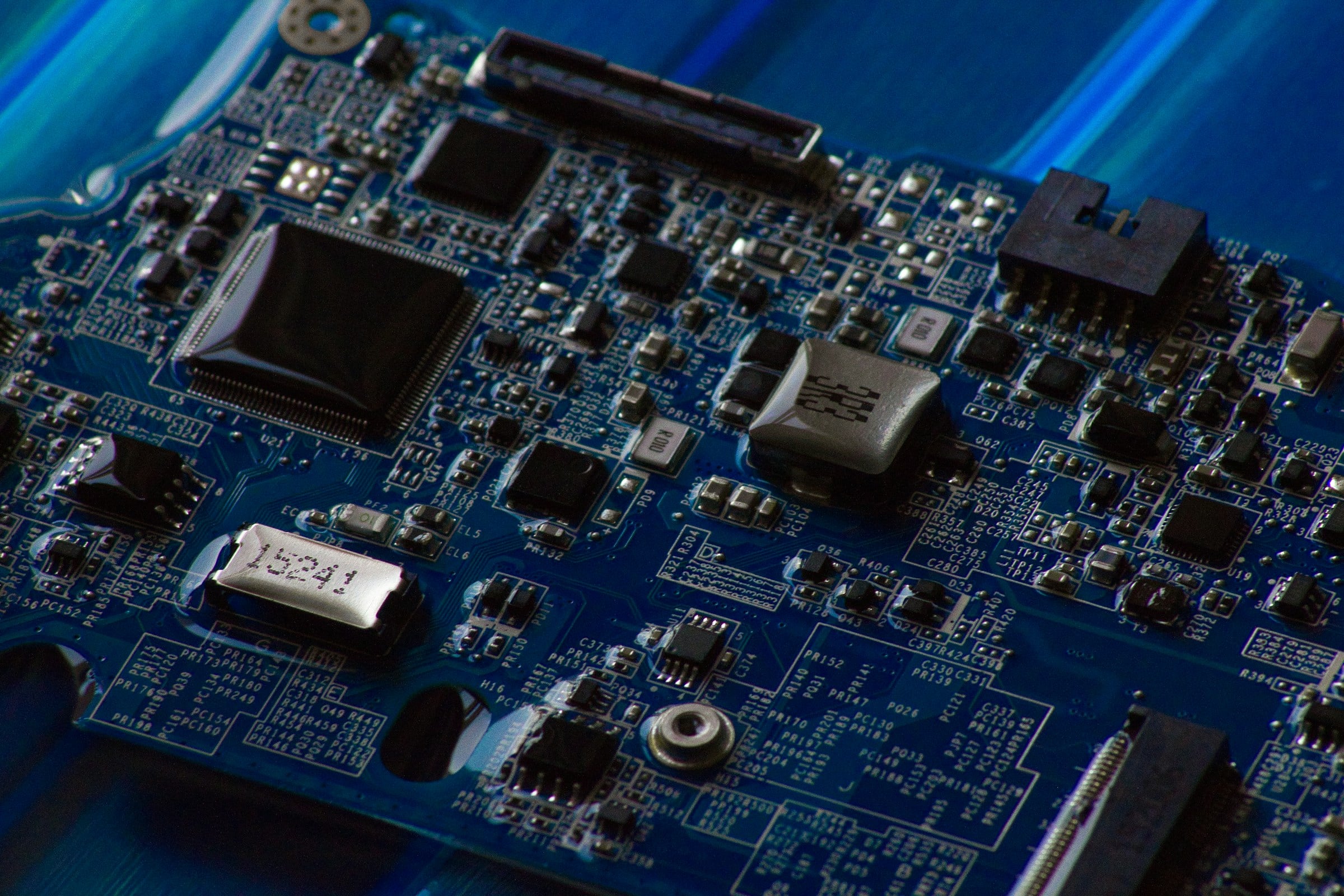
    An onboard computer board with its processor and autopilot connector marked as a new behaviour is prepared for flight test04

    Research and custom autonomy

    “Can the robot work out the next step?”

    Explore how language, vision and physical action work together. We are building towards robots that interpret an objective, choose a useful observation and verify their own results within defined limits.

    Discuss a research project

    Contact

    What would you
    send a robot to do?

    Choose a use case, tell us where the work happens and describe the outcome you need. We will reply with where Kytona could fit and a practical next step.

    info@kytona.com

    You will receive a direct fit assessment and a suggested next step. No newsletter or automated sales emails.